Excuse Me, But Did That Patch of Moss Just Jump?

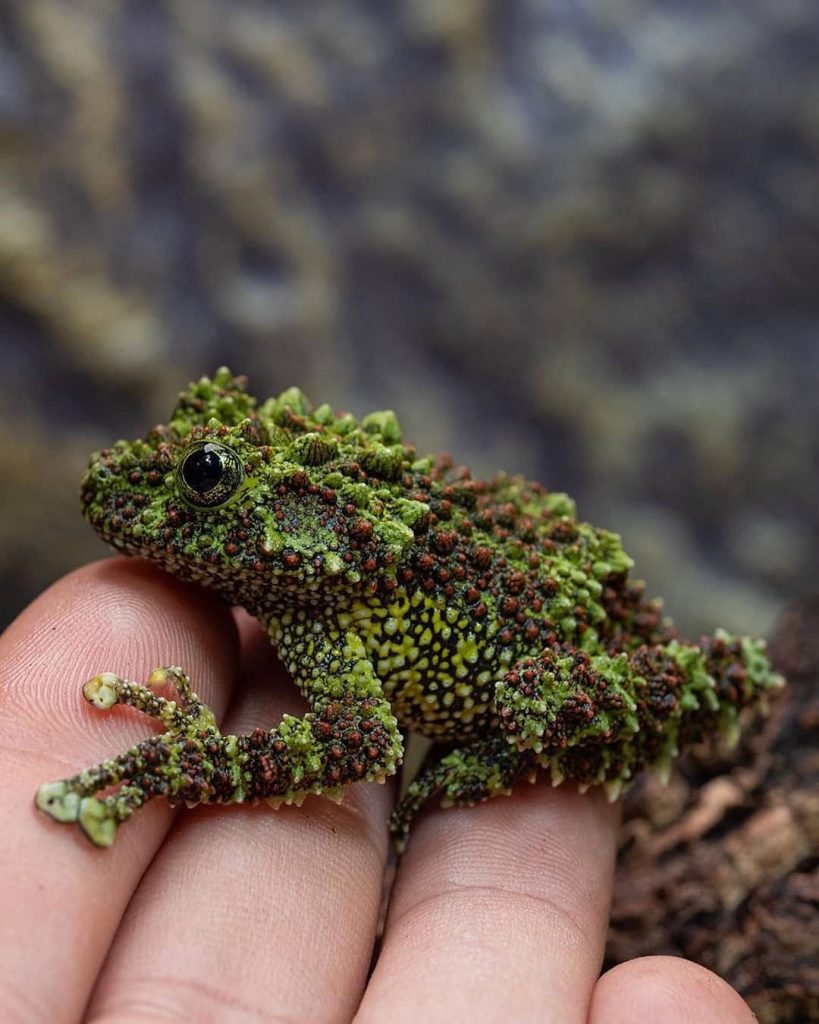
We’ve not posted much lately (sorry!), but we’re back with a brief note on a very, very strange-looking creature that’s been in the newsmemes of late: the Vietnamese mossy frog. These wonderful creatures, Theloderma corticale, dwell within critically-threatened rain forests in—you guessed it—Vietnam. And they really blend into their habitat! Their color (green with black spots), together with their spines and tubercules, really make them look like splotches of moss. This disguise is enhanced by their strategic placement in small bodies of water, where they lurk with their eyes just above the surface, so they can keep a keen watch for predators (and presumably can also spy tasty bugs). More information can be found on the Smithsonian / National Zoo’s article on this frog.

But as odd as these creatures may seem, at least they just look like something innocuous like moss. Mossy frogs have a relative, the warty tree frog (another Theloderma), which looks just like…bird poop!
Slither Over and Make Room! Another Snake Species–and Genus–Is Found

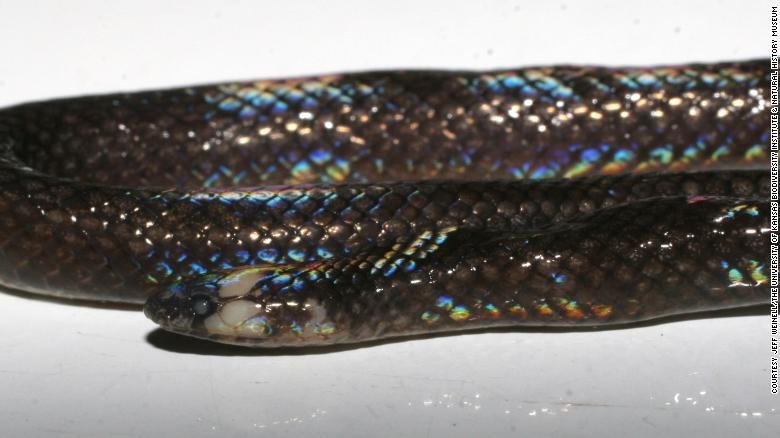
A recent CNN article highlighted a fascinating new find by scientists: a brand-spanking-new species of snake. Levitonius mirus, the Waray dwarf burrowing snake, is found only on two islands in the Philippines. This elusive, diminutive creature—only about as long as a pencil—has among the fewest vertebrae of any snake species in the world. Its iridescent scales make it one of the more striking as well.

The snake’s “discovery”—it has never been found in the wild, only identified by preserved specimens–happened almost by accident. The lead scientist had been studying another genus, which this snake had been misidentified as. DNA analysis, however, proved the tiny snake had been miscategorized, and the scientist was able to describe a new genus and species altogether. Its name, the article notes, derives jointly from another researcher of snakes in the Philippines, Alan Leviton, and the Latin word for “extraordinary”, which aptly fits such an unexpected find.

The snake’s discovery further underscores the need for biodiversity collections so that researchers can tease out the subtle differences as well as similarities between all manner of flora and fauna.

Welcome, Levitonius mirus! We’re glad to add you to our knowledge of the wonders of our planet.

Gulliver’s Amphibian Travels? Among Other Rare Species in Bolivia, Scientists Discover the Tiniest Frog

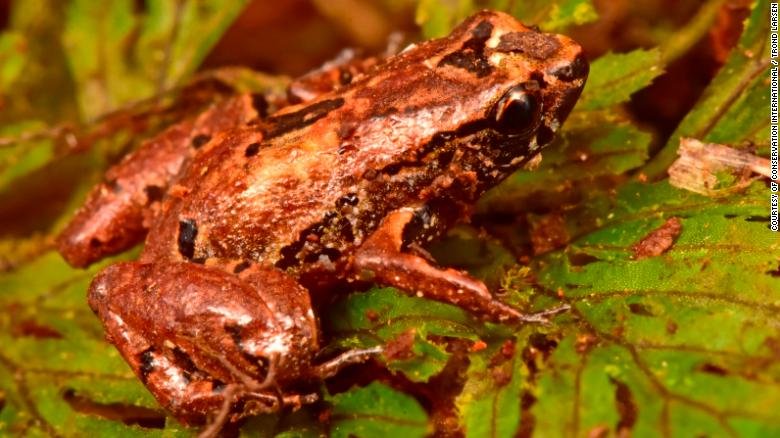
We didn’t get to this story during the holiday season, but we’re happy to note that researchers continue to find previously unknown plant and animal species on our wondrous planet. Among the notable recent discoveries in the Bolivian Andes’ Zongo Valley—including orchids and a variety of butterflies–was the Lilliputian frog (its name taken from Jonathan Swift’s prose satire), a creature no more than one centimeter long but still undeniably winsome. These minute amphibians proved quite challenging to locate, as their size and camouflage-coloring made scientists have to track them by sound–and they would fall silent just as researchers approached! Other newly-found species of interest to those who love reptiles and amphibians are the devil-eyed frog, the Bolivian flag snake (named for the colors that parallel those of the country’s banner), and the mountain fer-de-lance. Welcome tidings for the new year!

Holiday Greetings (and a Word of Warning)

This recent CNN report about people seeking pets during the pandemic and getting scammed is both heartbreaking and infuriating. But it is something that all those who desire animal companions should be aware of. There are predators in our world, and most are not of the scaly variety….

RARN itself recently fell victim to a scammer who adopted, then resold, one of the animals we had placed in the person’s care. Needless to say, all of us at RARN were horrified but by the time it was discovered, it was too late to do anything. We have redoubled our efforts to ensure no animal we adopt out is going to anyone but the individual or rescue organization that signs the paperwork, and that each one will get the best personal attention possible. We hope we never, EVER have to lose sleep again over the fate of one of our placements.

But enough gloom and doom….

Despite the dismal and lonely prospects this winter, RARN wishes everyone the joy of contemplating a brighter future with an animal companion. (Of course, we are partial to the squamous or amphibian sorts, but all are wonderful!) If you are thinking of adopting a reptile, do call our president Sabine Bradley, at (323) 301 3360, as changes happen frequently in our intakes and placements.

And if you have the means, please remember us in your end-of-year donations. We appreciate every one!

May your holidays be pleasant, healthy, and safe, and we’ll see you in 2021!

Speaking in Tongues: Ze Frank’s Hilarious and Informative YouTube Reptile Post

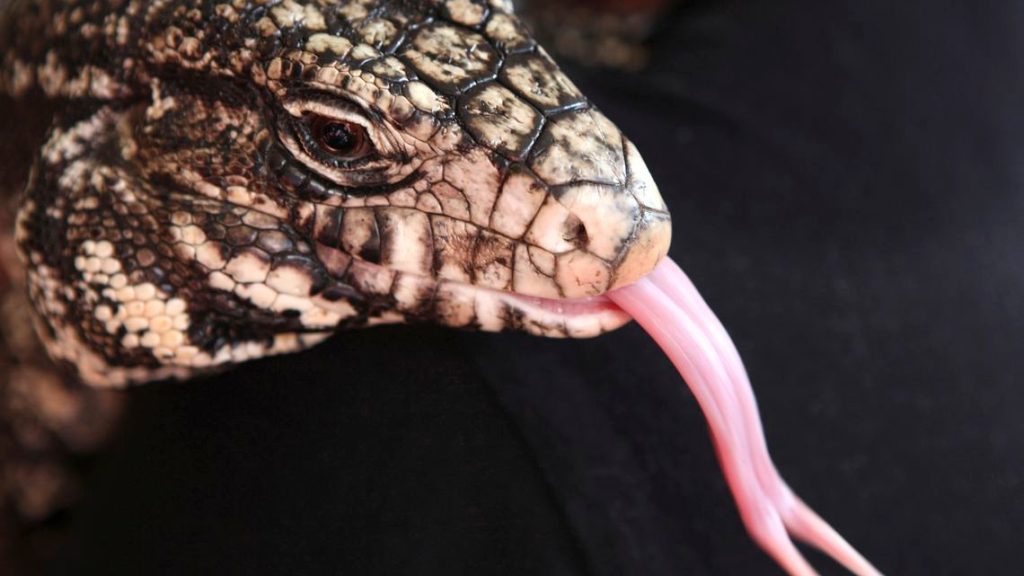
Many of you may already be familiar with the always-on-point, superbly comical YouTube videos by American performance artist and perennial funnyman Ze Frank. If not, or if you’ve happened to miss his recent video about the mysteries of lizard and snake tongues, you are in for a treat! True aficionados of reptiles, of course, will note that he doesn’t go as in-depth as he could…but he does manage to transmit quite a bit of information in a 10-minute comedy routine!

And on that note: RARN wishes all a safe and happy (if, er …scaled-down) Thanksgiving!

They’ve Grown Accustomed To Our Face….

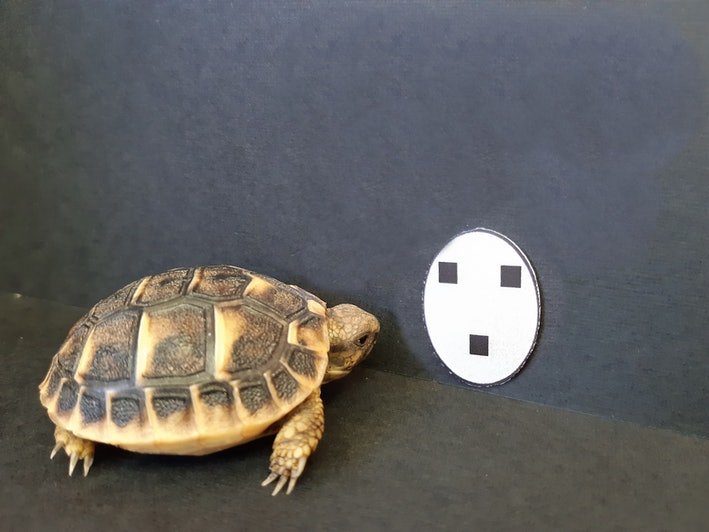
We’ve long suspected this! A recent study sheds light on a phenomenon studied in humans, primates, and other mammals, but only recently examined in the reptilian world: a focus on a creature’s interest in engaging with faces. It appears that those in the genus Testudo (i.e., turtles) exhibit a fascination with (or at least, a preference for) faces—just like we humans do! The preference is assumed to have some kind of evolutionary advantage, though more research needs to be done to tease out what that might be. This seems to be the case even with the Testudo species that are anti-social, that is, those that do not grow up or congregate with others of their kind.  The trait “predates the bonds of parental care.” In other words, turtles don’t need face time. Turtles just seem to like faces!

Which leads to the question: Would turtles, given the necessary opposable digit, hang out on Facebook?

We still haven’t seen him, but we know he’s there! Scientists discover traces of long-lost frog

Insert generic frog photo here! A fascinating article discusses how rapid DNA sequencing has confirmed the existence (and hinted at the secretive habits) of a rare frog from Brazil, Megaelosia bocainensis. Thought to have gone extinct in 1968, the endangered frog (more precisely, its DNA) was recently rediscovered by the use of “metabarcoding” which focuses on taking DNA samples (using very non-invasive procedures) of the entire community in which the animal lives, and filtering out the non-amphibian material. Though scientists caution that this decades-old technique is not a substitute for more traditional studies, its new application of monitoring complex habitats to find threatened species offers an intriguing path for future research.

It’s a pterosaur! It’s a giraffe! No, wait, it’s a…trap?

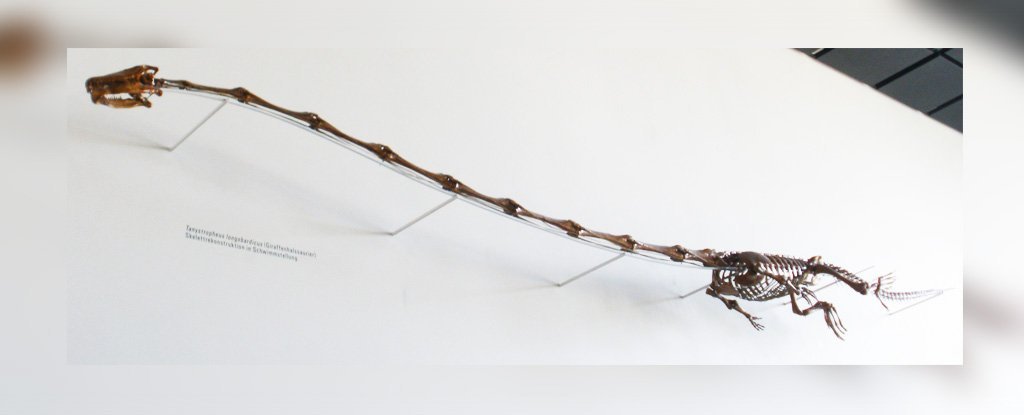
A very strange-looking reptile once lurked in the waters of the earth in the Triassic period, and a new study sheds light on why its appearance was so odd. This ancient reptile, Tanystropheus, had a slender neck that literally made up half the length of its body! Scientists scratched their collective heads over this long neck for over 170 years, but recently began examining the fossils of this venerable creature using advanced X-rays and computerized tomography. They came to the conclusion that Tanystropheus (which came in two varieties, large and small) hunkered down on the shallow coastal ocean floor and raised its head out of the water, with its nostrils on top like a crocodile’s, to hunt. It would lift its long neck up to get a breath of air, and gape its mouth open to wait for prey—fish and squid for the larger animals, shrimp for the smaller—to pass by. Then—dinnertime! More information about this fascinating reptilian ancestor may be found here.

Reptiles That Ruled in Seas of Yore

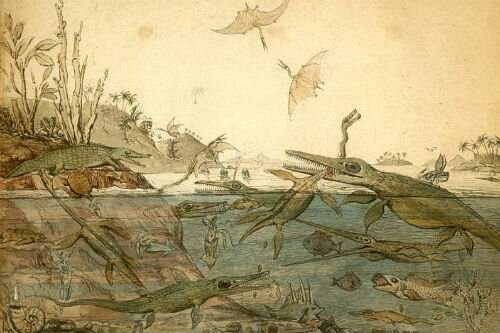
Lifestyles of the Reptilian and Famous? A recent study of fossil records sheds light on the ecological evolution of a variety of creatures in the ancient seas of earth’s Mesozoic period. While the dinosaurs roamed the terrestrial surface, giant creatures such as ichthyosaurs and plesiosaurs (two kinds of marine reptiles) swam the oceans. These giants (some measuring over thirty feet long!) were examined for where they lived, how they moved through the water, and what they ate. The complex analysis led to six different categories of marine reptiles, separating them into widely diverse groups such as active predators within the water and reptiles that also foraged on land. Many more details about the habits of these venerable reptiles of the sea may be found in the article here.

A New Lizard Cousin South of the Border

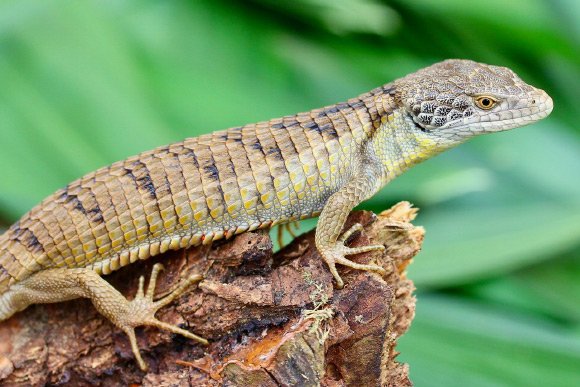
That alligator lizard zipping furtively around your yard may never know it, but its relative, a new species of Abronia (alligator lizards), has been discovered and named in the western Chiapas region of Mexico. The full scientific designation for the reptile, Abronia morenica, pays tribute to the brown coloring of this handsome lizard and to the Sierra Morena region it comes from (“moreno” meaning brown), which some may remember from the traditional song “Cielito Lindo.” The inhabitants of the Sierra Morena are justifiably proud of this rare discovery deep within the montane cloud forests of the region and are working with scientists to protect its endangered population. A more complete summary of the article (taken from a paper published in the journal Herpetologica) may be found here.