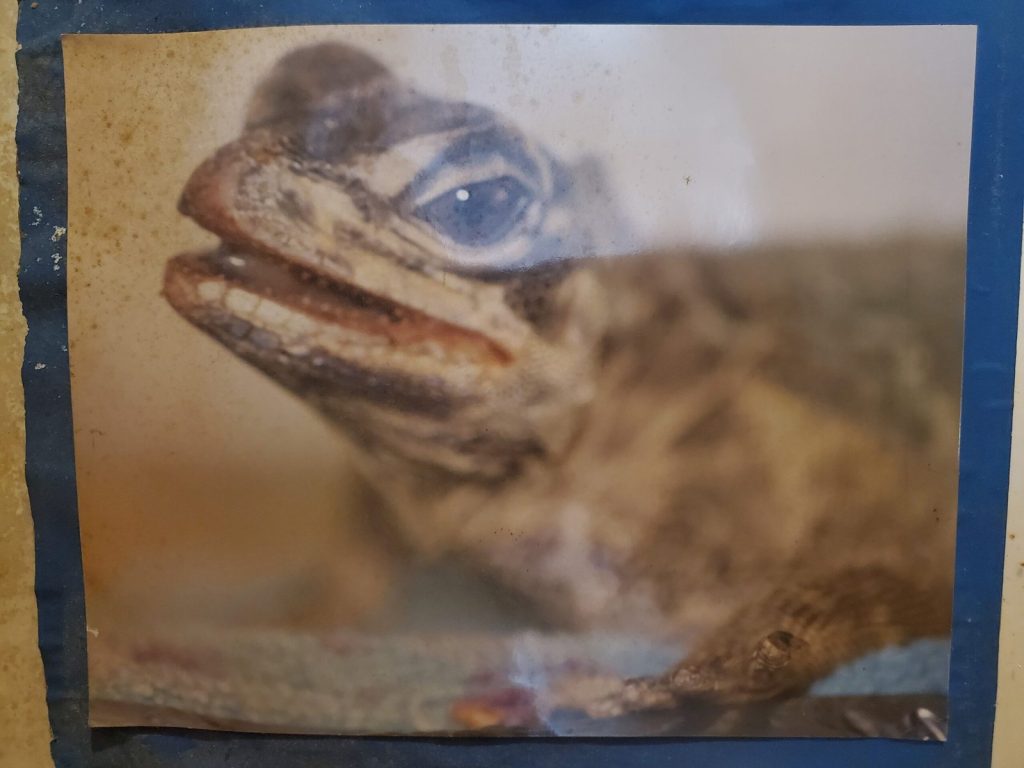
Last week’s post, based on our recently-rediscovered, 25+ year old RARN event display, focused on an iguana that had been poorly cared for, that ended up healthy and contented. This week we offer the story of a water dragon suffering from her (probably well-intentioned but clueless) owner’s terrible husbandry—with another reasonably happy ending. The female dragon “was kept in a poultry-net cage (chicken wire), where she kept rubbing her face against the wire, trying to get out. Repeated scraping of the skin off her nose and mouth resulted in so much scar tissue building up that she [could] no longer breathe through her nose.” The creature lost eight of her front ten toes due to the sharpness of the chicken wire, and when brought in to RARN was emaciated and dehydrated, with a mouth infection. But again, our caring corps of RARN volunteers went to work on the water dragon, so that later, she became “healthy, robust and active, and … adapted well to getting around with her deformed feet.” Names and faces have changed over the years, but the song remains the same – RARN helps scaly (or amphibious) creatures in need!
Category: Uncategorized
RARN: A Retrospective, Part 1
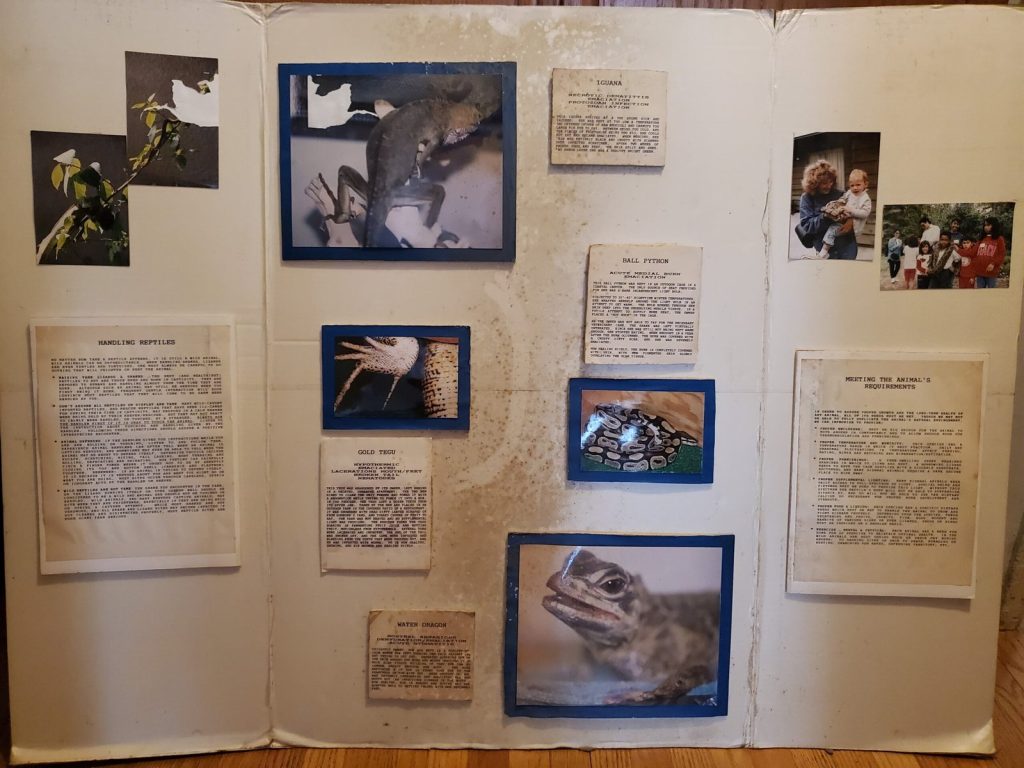
Recently, we volunteers at RARN came across an old-style cardboard display put together for reptile events, discussing RARN’s work taking in sick, abandoned and injured animals. It dated back at least 25 years! Reading some of the descriptions of animals RARN had taken in was hard, and we feel for how difficult it must have been for volunteers to deal with mistreated creatures back then. One surrendered juvenile green iguana had been kept in deplorable conditions: “Between being too cold, and the pieces of vegetable [fed to her] being too big, she could not eat and became emaciated. When rescued, her skin was entirely black and crusty, with scabbed-over, infected scratches.” But because RARN did its job, the animal was well cared for and had a happy outcome. “After two weeks of proper food and heat, her skin split and shed. Two sheds later, she was a healthy bright green.” Here’s a picture or two of the display. We’ll return to the past work RARN has done in future posts!
Should These Pythons Be Called On the Carpet?
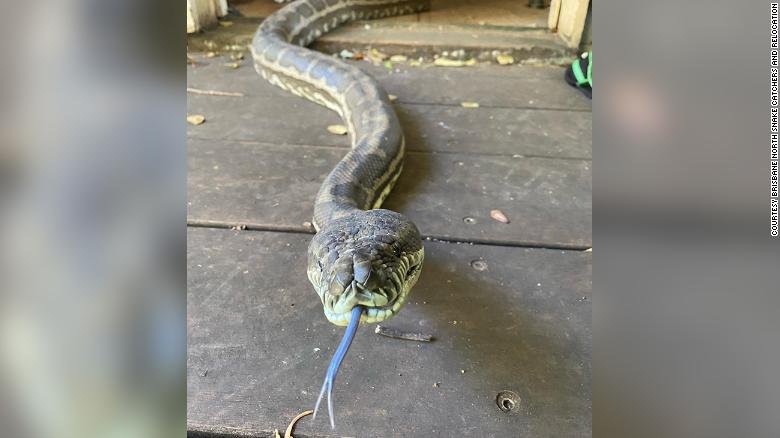
For sheer newsy entertainment, this piece from Australia truly has it all. Impressively hefty, well-fed snakes? Check. In a duel over a female? Check. Not stopping their battle until they crashed through the ceiling of a house into the kitchen? Check. Causing no end of consternation to the homeowners by then going elsewhere in the house to cool off their ardor-driven enmity? Got it! Fortunately, no carpet pythons seem to have been harmed in the making of this article. A bit of Labor Day levity for those who love reptiles. The full article may be found here.
Tuataras In The Spotlight Again
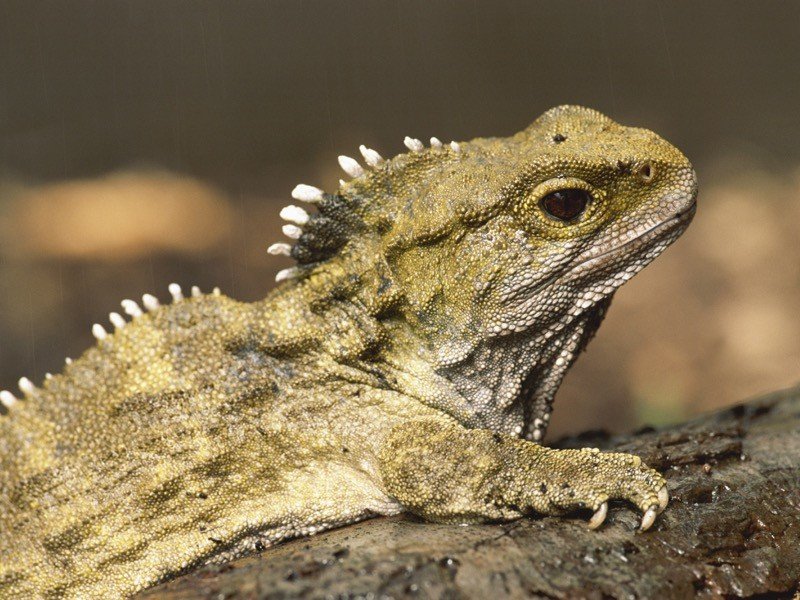
Well, the report is out and it’s clear: the venerable tuataras of New Zealand have good genes! We know this because the full genome sequence of these reptiles (whose ancestors were around when dinosaurs roamed the earth) has just been published. What’s amazing in the recent study discussed in the journal Nature (and reported on by other agencies, such as syfy) is not merely the release of the genome sequence, as noteworthy as that accomplishment is. It is what enabled the groundbreaking study: the unprecedented amount of cooperation between scientists and the Maori people of New Zealand, traditional guardians of these creatures long considered a “special treasure.” The genomic sequence of these winsome reptiles offers a greater understanding of their biology and evolution, but it also holds much promise for future conservation efforts of multiple species. Bravo!
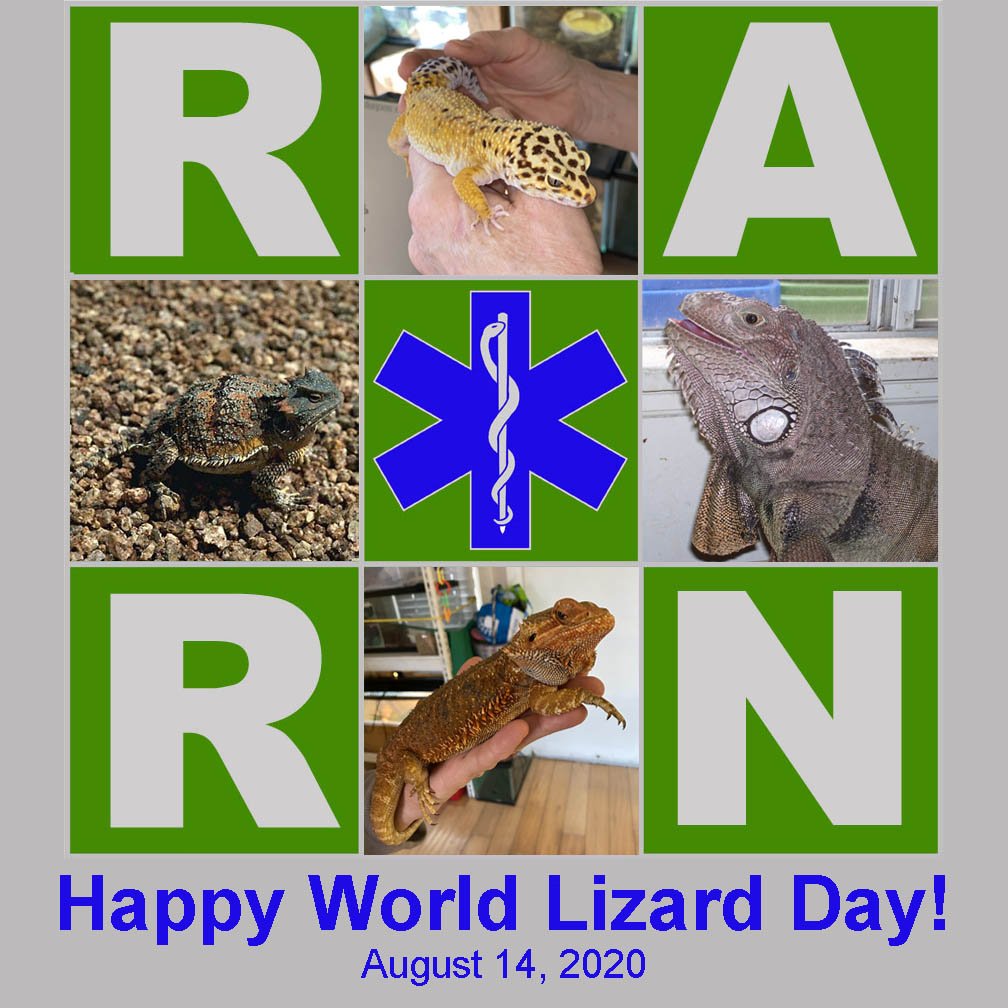
Happy World Lizard Day!
A very happy World Lizard Day to all of you from all of us here at RARN!
Please remember to hug your lizard today. (If they are the kind that actually likes hugs. Otherwise try chucking them under the chin or a friendly tongue lick!) And give them an extra one from us.
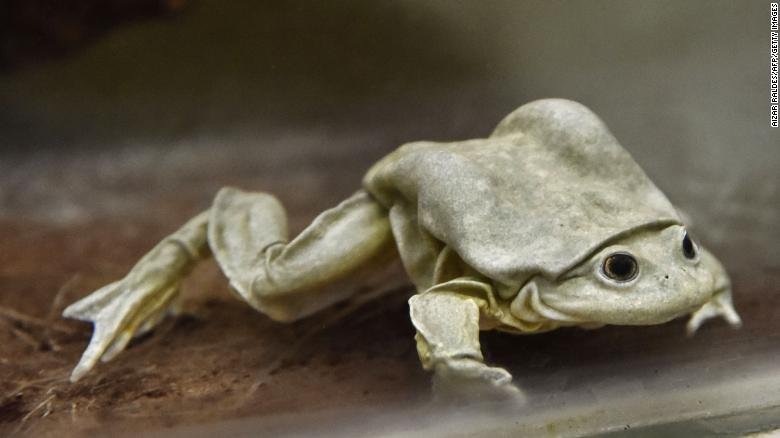
A frog by any other name…
A strange-looking frog with an unfortunate resemblance to a part of human anatomy is facing an even more unfortunate fate: possible extinction. Known as the “scrotum frog,” this large South American amphibian (it can grow up to eight inches long!) has seen its numbers decline alarmingly in recent years, mostly likely due to overfishing as a food source and pollution of its habitat, Lake Titicaca (well, it had to be there, didn’t it?). Considered an “indicator species,” this giant frog’s lessening population is a dire forecast of the relative health (or lack thereof) of its ecosystem. Scientists and other organizations across the globe are teaming up to try to save this unique, endangered animal, as well as preserve this important body of water from further degradation. Let’s hope they put together a….package deal? You can read the full article here.
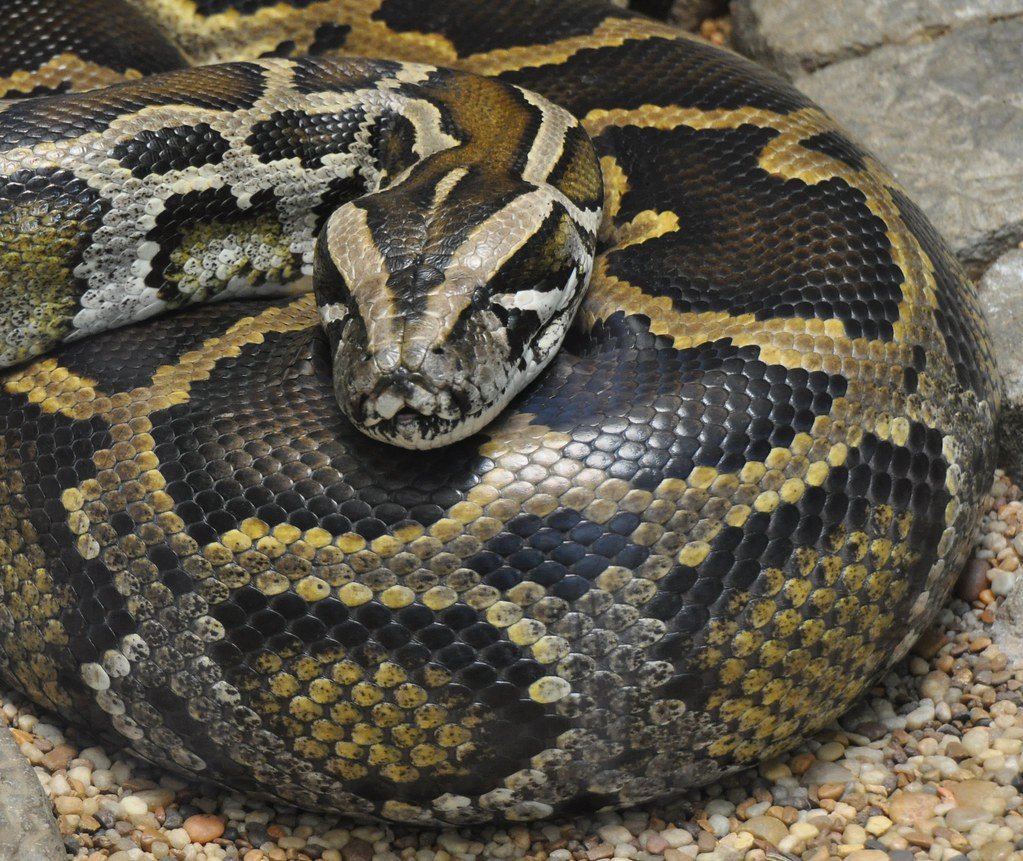
Respect for pythons? Snakes may hold key to treating disease
Studies of snake metabolism may sound prosaic, but researchers at the University of Alabama are discovering surprising truths about how our scaly legless friends process their food, with a possible big payoff. Snake keepers and reptile fans know that snakes often go fasting for some time before they “feast” on their prey, usually an oversized meal that goes on being digested for some time. Scientists studying python digestion are discovering an enormous spike in the metabolic rate after feeding, in which a “torrent of stomach acid” is produced to break down the prey, and their intestines are engorged several times their normal size. The research is now studying the actual DNA involved in the process, with promising future possibilities for treatment of cancers and other human diseases. The full article (not for the snake-squeamish!) can be found here.
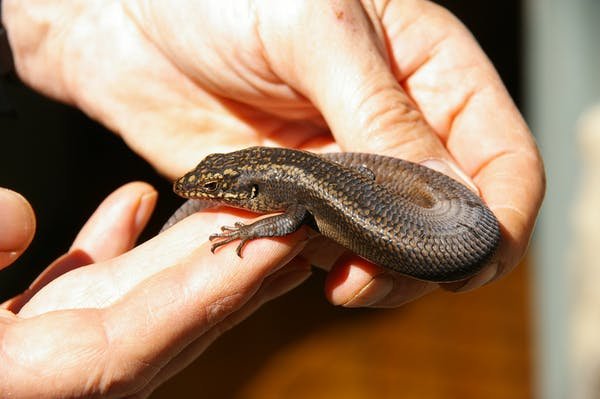
Skink On The Brink
A recently discovered / scientifically described skink’s very existence currently hangs in the balance. Australia’s recent bushfires have nearly wiped out the habitat of the extremely rare (and nearly legendary) Kaputar rock skink. It is feared that one more fire in its habitat–at the summit of an extinct volcano in New South Wales–may send this very handsome creature into extinction. A very detailed article discussing the skink’s unique habitat and history may be found here.

Trippin’ On Reptiles with “Bob’s Burgers”
Season 10 (2019-2020) of wacky-family-centric cartoon series Bob’s Burgers (Fox) has offered viewers two delightful reptile-positive episodes. Besides one show featuring Pizzilla, the “fearsome-kaiju-that-looks-like-an-oversized-gecko-with-an-overbite” that anchors the story Gene invents to inspire discouraged handyman Teddy (episode 19, “The Handyman Can”), there is a truly heartening episode featuring real (if animated) reptiles. Episode 17, “Just The Trip,” sees the entire Belcher family help take an escape-artist snake to an animal sanctuary, to help out a cab driver they’ve befriended. We all know what happens….But the gentle, friendly creature, which terrifies everyone, is treated with respect and concern, and ultimately finds its way to a happy home. If you don’t follow this show regularly, it’s worth a look!

No Omelette Jokes, Please!
The fossil of the largest soft-shell egg on earth has been discovered in Antarctica, and it looks like it might have belonged to a distant ancestor of some of our reptile friends. Discovered in 2011 by scientists from Chile, and then shelved to research (as in Raiders of the Lost Ark) until recently, the fossil egg is the second largest egg of any known animal on the planet. Theories have been posited about how the reptilian parent (presumed to be something like a mosasaur) laid and maintained the egg(s). It’s clear we have much to learn about the ancient development of our favorite scaly creatures! The full article may be found here.